
 Checkout


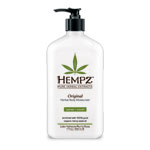
An all-day body lotion providing dramatic skin moisturization to improve the health of skin through the use of pure Hemp Seed Oil. 
Hempz tanning lotion is formulated with hemp seed oil to nourish and condition the skin while darkening it to a rich, radiant glow. 
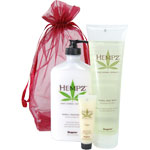
It’s what your hair has been craving. Satisfy your need for beautiful, healthy hair with Hempz professional hair care products. 
Dr Bronner’s uses only pure essential oils and vegetable oils of the highest quality. No foaming agents or detergents; no dyes or synthetics. 
Hemp lip balm is enriched with pure hemp seed oil and extract to help provide dramatic hydration, nourishment and nutrients to the lips. 
Made of soy wax and hemp oil, Earthly Body massage candles melt into a warming, silky massage oil which penetrates and moisturizes skin. 
Cold-pressed and certified organic, this oil contains Omega-3 and is fast becoming a popular oil that promotes optimal health. 
Also known as hemp hearts. They have a delicious nutty flavor. One serving contains 11g of protein and 3g of Omega-3. 
Contains 66% edestin protein — which is easier to digest than soy protein. Unlike soy, hemp is not processed with hexane solvents. 
Loaded with all 10 Essential Amino Acids and good Omega-3 fats, hemp milk will make your heart strong, your skin glow and your taste buds grin. 
Hemp protein combined with nourishing super foods such as pomegranates, açai and goji berries that are rich in protein, minerals and antioxidants. 
More than any other plant on Earth, hemp seeds provide the perfect balance of naturally occuring Omega-3 and Omega-6 EFAs for our body. 
This collection by Of the Earth is a cross between everyday and business casual wear that is made with a blend of organic cotton and hemp. 
This collection by Of the Earth is made with a blend of organic cotton and hemp. The styling and fit have an emphasis on yoga and active lifestyles. 
Hemp necklaces and hemp bracelets are available in two popular collections to choose from including beachwear and gemstone. 
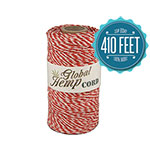
Global Hemp Twine is the preferred choice for all hobby, business and household uses. Available in six weights and a variety of colors. 
Hemp yarn is soft as it contains no polish or wax. Its not idea for beading. It does perform well for macrame, and other crafting projects. 
Hemp documentary videos educate viewers on industrial hemp including its uses, products, legislation, history, and prohibition. 
|
| ||||||||||||||||||||||

 |
 |
 |
 |